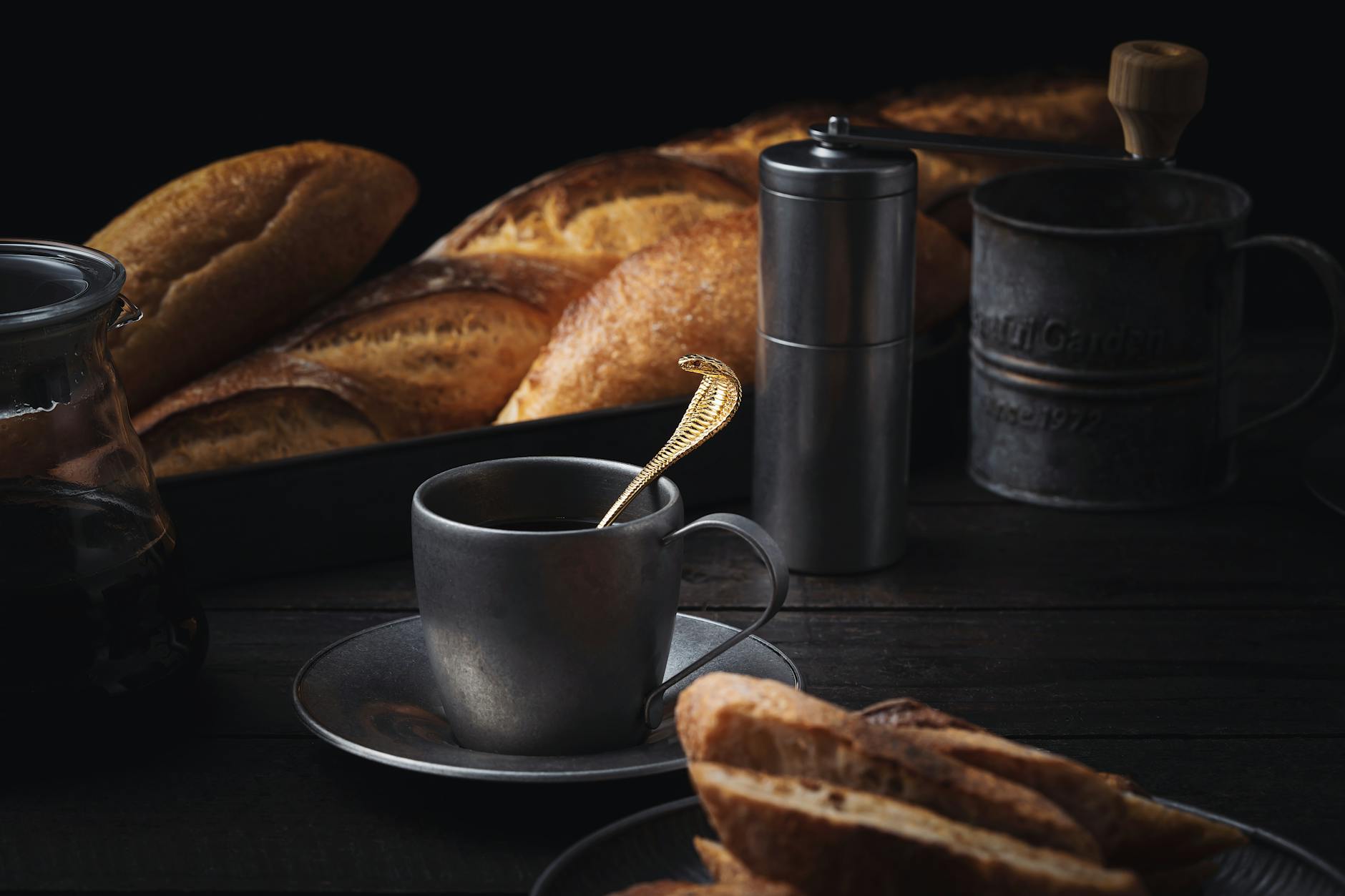

The aroma of freshly roasted beans, the delicate dance of flavors on the palate, and the ritualistic care taken in every single brew: this is the essence of specialty coffee. It’s a world far removed from the mass-produced, often bitter, and generic coffee of yesteryear. Instead, it’s a culture of nuance, precision, and a relentless pursuit of the perfect cup. But how did this revolution in taste begin?
The Early Days: Seeds of Change
It’s easy to think that good coffee always existed, but the reality is more recent and nuanced. The specialty coffee movement has its roots in the late 20th century. At the time, the coffee industry was dominated by commodity-grade beans, often roasted to oblivion to mask any imperfections. There wasn’t much appreciation for the individual character of different origins or the impact of brewing techniques. This all started to shift in the 1970s and 80s as the pioneers of the movement recognized the potential for better quality and flavor. They understood that the quality of coffee could be traced back to its origin, and that there was a value in meticulously cared-for beans.
Early adopters sought to improve the quality of coffee, focusing on sourcing better beans and experimenting with roasting techniques. Key figures in this early era began to challenge the status quo, advocating for higher standards and greater transparency in the coffee supply chain. This focus on quality over quantity was a radical departure from the dominant practices of the time.
The Importance of Origin and Production
The specialty coffee ethos centers on the concept of ‘terroir,’ the environmental factors that affect a crop’s characteristics. Factors like the soil, elevation, climate, and processing methods all influence the bean’s final flavor profile. This means that a coffee from Ethiopia will taste vastly different from one grown in Colombia or Indonesia. According to the Specialty Coffee Association (SCA), the definition of specialty coffee is based on the quality of the green bean, its roasting, and the brew quality. Coffees that score 80 points or above on a 100-point scale are considered specialty.
The focus on origin isn’t just about taste. It’s about supporting sustainable farming practices and fair trade for coffee growers. Specialty coffee brands often work directly with farmers, cutting out intermediaries and ensuring a higher price for their beans. This helps the farmers improve their quality and livelihood. Coffee processing methods, such as washed, natural, and honey-processed, significantly impact the final cup. The meticulous care of the beans—from the farm to the roasting facility—contributes to the elevated quality of the product.
The Brewing Renaissance
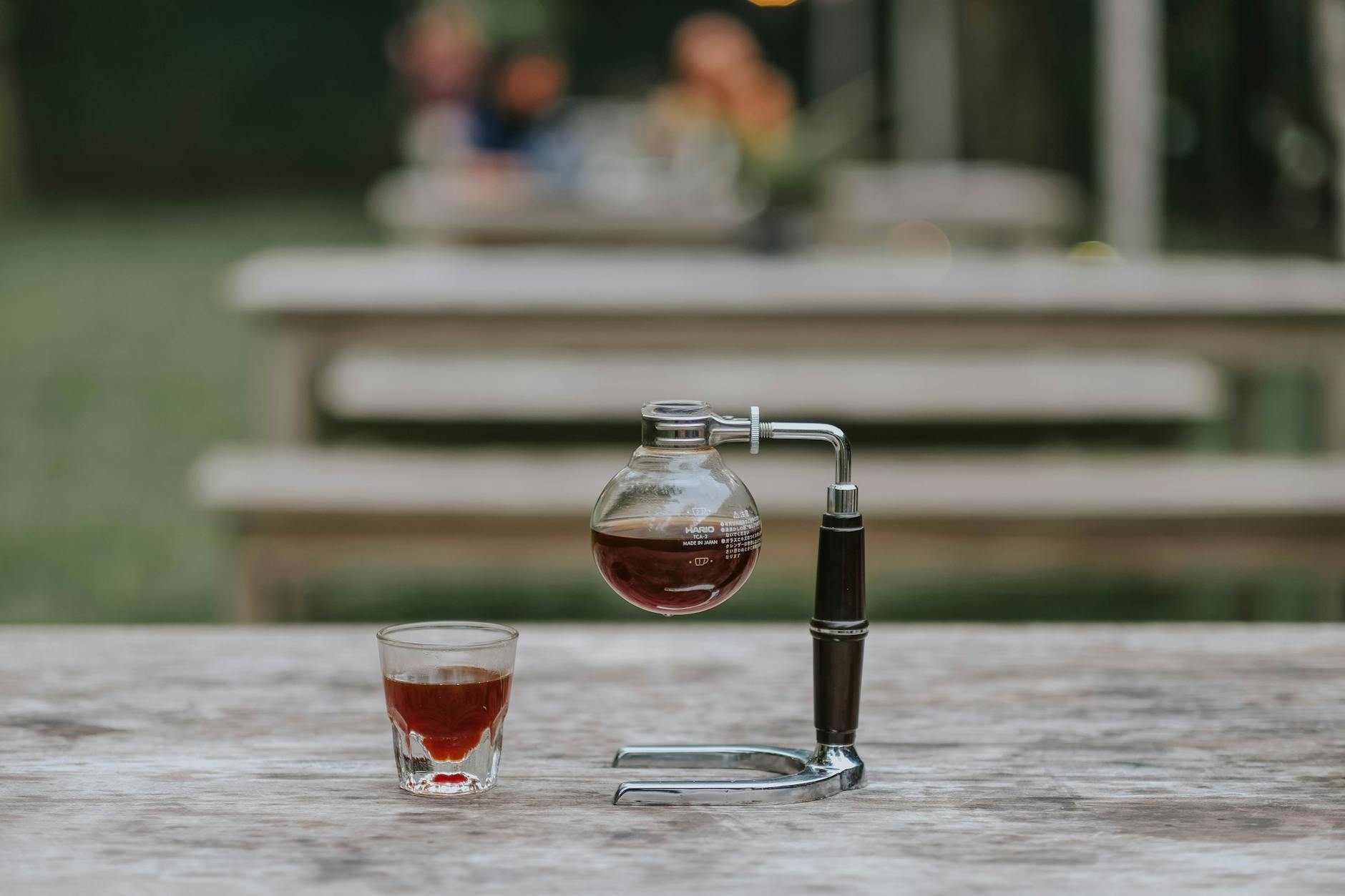
Alongside the focus on origin, specialty coffee has brought about a brewing renaissance. Gone are the days of a single, generic method for preparing coffee. Instead, there’s a myriad of techniques that allow coffee enthusiasts to extract the best from their beans. These include pour-over methods, such as the V60, Chemex, French press, and various espresso machines.
Understanding water temperature, grind size, and extraction time are essential for a good cup of coffee. The precise measurements and methods may seem obsessive to an outsider, but these variables can make a huge difference in the final taste. The rise of manual brewing methods allows for greater control over the extraction process. These techniques are often highlighted in Specialty Coffee Association (SCA) certified cafes and shops, making sure that there is a level playing field.
The Impact on the Industry
The specialty coffee movement has had a profound impact on the entire coffee industry, which is something even I, in my humble abode, can appreciate. It’s driven up standards across the board, pushing even the mass-market brands to improve their quality. This shift demonstrates the power of consumer demand and the growing desire for better-quality products. One study by the USDA estimated that US coffee consumption would rise by 2.3% with increased popularity.
Specialty coffee has also changed the way consumers view coffee. It’s no longer just a caffeine delivery system, but an experience to be savored. It has fueled the growth of independent cafes, artisanal roasters, and a whole new culture of coffee appreciation. It’s a move from simple consumption to connoisseurship.
The Future of Specialty Coffee
The future of specialty coffee is bright, with continued growth expected as consumers discover new origins, brewing methods, and flavor profiles. Technological advancements, such as automatic pour-over machines and improved roasting technology, are helping to improve consistency and efficiency. Innovation in sustainable farming practices and the exploration of new coffee varieties will continue to shape the industry. The movement will have more and more influence on consumer preferences, shifting the focus towards ethical sourcing and environmental sustainability. It is a market that’s growing and adapting.
The rise of specialty coffee is an exciting tale of taste, quality, and a commitment to excellence. You might even say it’s given me a few new wrinkles from all the brewing I’ve done over the years, though my wife still jokes that my obsession with non-reactive water is far more entertaining! But at the end of the day, it’s all about enjoying a darn good cup. Maybe I should grab my favorite funny coffee mug and get to brewing.