
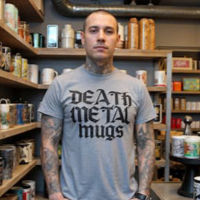
Your morning ritual, that sweet, dark elixir that jolts you into the waking world, has a past more complex and brutal than any blackened death metal album. We’re talking centuries of exploitation, political maneuvering, and a whole lot of blood, sweat, and tears – the kind that makes even the most jaded among us take notice.
The Seeds of Inequality: Colonialism and Coffee
It all began, as these things often do, with colonialism. European powers, sniffing out a new, highly addictive commodity, swiftly turned coffee into a cash crop. This meant taking over lands in places like Brazil, Colombia, and Indonesia, and forcing native populations, and later enslaved people, to cultivate the beans. Think about the scale of it. It’s an entire global industry built on the back of exploitation. If you’re looking for a good starting point, check out this in-depth piece from the BBC that breaks down the origins of coffee and its early global spread: BBC Travel.
The system was simple, and brutally effective: seize the land, force labor, and reap the profits. This created a massive power imbalance, where the consuming nations (Europe and, later, North America) controlled the market, dictating prices and squeezing every last drop of value from the producing countries. This set the stage for centuries of economic dependency and political instability in coffee-growing regions. The effects of this are still felt today, in terms of trade imbalances, debt cycles, and the ongoing struggle for fair wages for farmers.
It’s a story of greed, exploitation, and the blatant disregard for human dignity, disguised as a daily pick-me-up. But hey, at least we get our caffeine fix, right?
The Rise of Coffee Empires
As coffee consumption soared, so did the power of those controlling the supply chain. Companies and individuals, flush with cash from the coffee trade, built vast empires. These coffee barons wielded immense political influence, shaping policies, and manipulating markets to their advantage. They became the gatekeepers, determining who got rich and who stayed in poverty. This created a situation where a few powerful entities controlled the fate of millions, leaving coffee farmers vulnerable to price fluctuations and economic shocks. The price per pound can swing like a pendulum, making it almost impossible to plan for the future when your livelihood is based on something outside of your control.
Consider the impact on the environment, too. Monoculture farming, the practice of growing a single crop (like coffee) on a massive scale, strips the soil of its nutrients, requires heavy use of pesticides, and contributes to deforestation. The pursuit of profit over sustainability has left lasting scars on the land and the people who depend on it. It’s a vicious cycle: short-term gain at the expense of long-term stability. If you’re looking for an even deeper dive into the economics, check out this report from the World Bank that sheds light on global trade and it’s impact: World Bank.
Coffee and Conflict: A Brew of Battles
The coffee trade has been, and continues to be, a breeding ground for conflict. The economic disparities, political tensions, and power struggles fueled by the demand for coffee have led to violence and instability in many producing countries. From civil wars to government corruption, coffee has often been a key factor, a pawn in the high-stakes game of global politics. The price of coffee has been measured in far more than just dollars and cents. Lives have been lost, communities destroyed, and the human cost of our morning coffee is often hidden from view.
Think about the stories of rebellion, resistance, and the tireless fight for fair treatment. Farmers fighting for better prices, workers organizing to protect their rights, and consumers demanding ethical sourcing – these are the real heroes of the coffee story. It’s a constant struggle, a battle for control over a commodity that has become as essential to our lives as water.
The Fight for Fairness: The Future of Coffee
The good news is that awareness is growing. Consumers are starting to demand more transparency and ethical practices. The rise of Fair Trade and other certifications reflects a shift towards a more sustainable and equitable coffee trade. But the fight is far from over. There’s still a long way to go to ensure that coffee farmers receive a fair price for their labor, that environmental practices are improved, and that the coffee industry becomes more sustainable and less exploitative. It requires a commitment from all of us, from the farmers to the roasters to the consumers. Because, let’s be honest, we all love a good cup of joe. And that love shouldn’t come at the cost of someone else’s well-being.
For us here at DMM, we take our coffee, and our values, seriously. We want to know where our beans come from, how they were grown, and that everyone involved in the process is treated fairly. It’s about more than just a great cup of coffee. It’s about building a better world, one mug at a time.