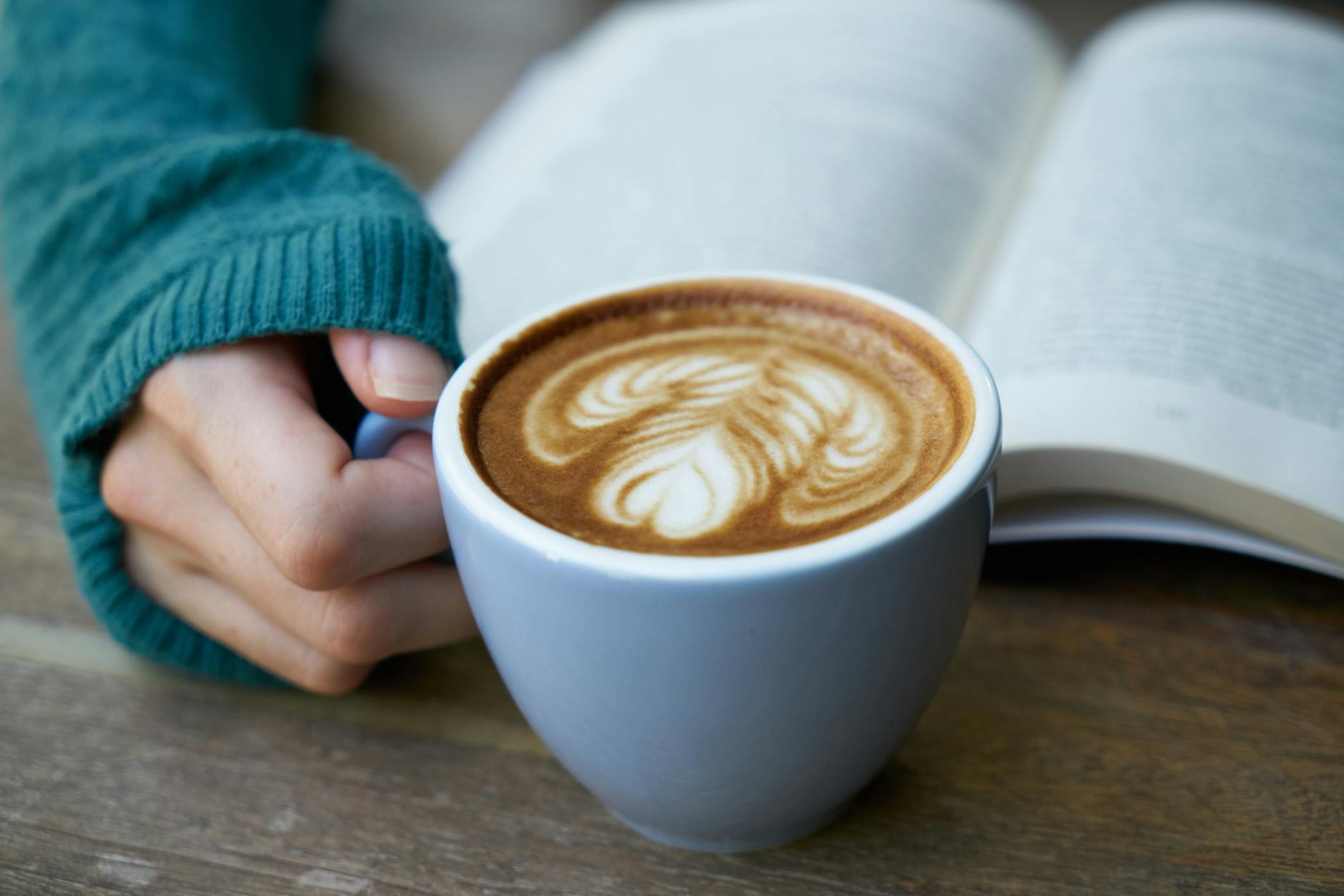

Your morning ritual, that sacred moment of caffeine-fueled clarity, may soon be threatened by a force far more potent than a caffeine crash: climate change. The global coffee industry, a multi-billion dollar behemoth, is facing an unprecedented challenge, and the future of your favorite brew hangs in the balance. As I, Coffee Guru Gil, sit here with my perfectly roasted Ethiopian Yirgacheffe, I feel compelled to address this grim reality. It’s time we faced the music, or in this case, the impending environmental apocalypse.
The Bitter Truth: How Climate Change is Disrupting Coffee Production
The effects of climate change on coffee production are multifaceted and, frankly, quite terrifying. Rising temperatures, altered rainfall patterns, and the increased frequency of extreme weather events are wreaking havoc on coffee farms around the world. These changes are not just inconveniences; they’re existential threats to the delicate ecosystems in which coffee thrives. Arabica, the most popular coffee bean, is particularly vulnerable. It requires a specific climate – consistent temperatures, ample rainfall, and a lack of frost. As temperatures rise, the areas suitable for Arabica cultivation are shrinking, pushing farmers to higher altitudes where they may not have the right resources.
Consider the impact on the humble coffee plant. It’s a fussy one, demanding precise conditions. Too much heat and the cherries ripen too quickly, leading to underdeveloped beans. Too little rain and the plant struggles to produce. Too much, and you get fungal diseases. It’s a delicate dance, and climate change is messing with the choreography. The result? Lower yields, poorer quality beans, and a precarious future for coffee farmers, many of whom are already struggling financially. In a report published by the World Bank, it was suggested that climate change could halve the land suitable for coffee production by 2050. That’s a sobering statistic, my friends.
The Farmer’s Plight: Facing the Heat and the Bottom Line
The farmers, the unsung heroes of our coffee addiction, are bearing the brunt of this crisis. Many smallholder farmers, who produce the majority of the world’s coffee, lack the resources to adapt to these rapidly changing conditions. They struggle with the financial burden of implementing new farming techniques, sourcing drought-resistant varieties, and dealing with the increased prevalence of pests and diseases. I’ve seen this firsthand on my bean-buying trips to Guatemala. They are in the trenches, fighting a battle they didn’t start but will likely lose without help.
The financial implications are also stark. Reduced yields translate to lower incomes, making it harder for farmers to survive, let alone invest in sustainable practices. This can lead to a vicious cycle of poverty and environmental degradation. The Intergovernmental Panel on Climate Change (IPCC) has been documenting these changes for years. They highlight the urgent need for adaptation measures and financial support to help farmers navigate these challenging times. While the younger generation is worried about trading meme stocks, these farmers are facing genuine extinction of their product.
Brewing Up Solutions: What Can Be Done?
The good news is that it’s not all doom and gloom. There are things we can do. The coffee industry, governments, and consumers all have a role to play in mitigating the effects of climate change. For farmers, this means adopting sustainable farming practices, such as agroforestry, which combines coffee cultivation with other crops and trees, providing shade, improving soil health, and increasing biodiversity. Shade-grown coffee is more resilient to temperature fluctuations and can help conserve water. Improving irrigation techniques and using drought-resistant coffee varieties are also crucial.
For governments, this means providing financial assistance, technical support, and incentives for sustainable farming. Investing in research and development to create climate-resilient coffee varieties is also essential. Consumers can make a difference by choosing sustainably sourced coffee, supporting fair trade practices, and reducing their overall carbon footprint. Educate yourselves, folks. Understand where your coffee comes from, and consider how your choices affect the global coffee supply chain. Support the roasters who care, and make every cup count.
My Final Thoughts on the Matter…
This whole situation is a tad distressing, I must say. But as a man who has witnessed the rise and fall of countless fortunes on Wall Street, I know that adversity often breeds innovation. The challenges facing the coffee industry are significant, but so is the human capacity for resilience. We’re going to get through this, even if it means I have to switch to something less refined than my beloved Ethiopian Yirgacheffe. But you know what? At least I still have my snarky coffee mugs. Yep, the Death Metal Mugs crew keeps it real… especially when it’s snarky coffee mugs.
Now, I’m off to meticulously measure out my freshly roasted beans and triple-filter my water. Cheers to a caffeinated future, however uncertain it may be.