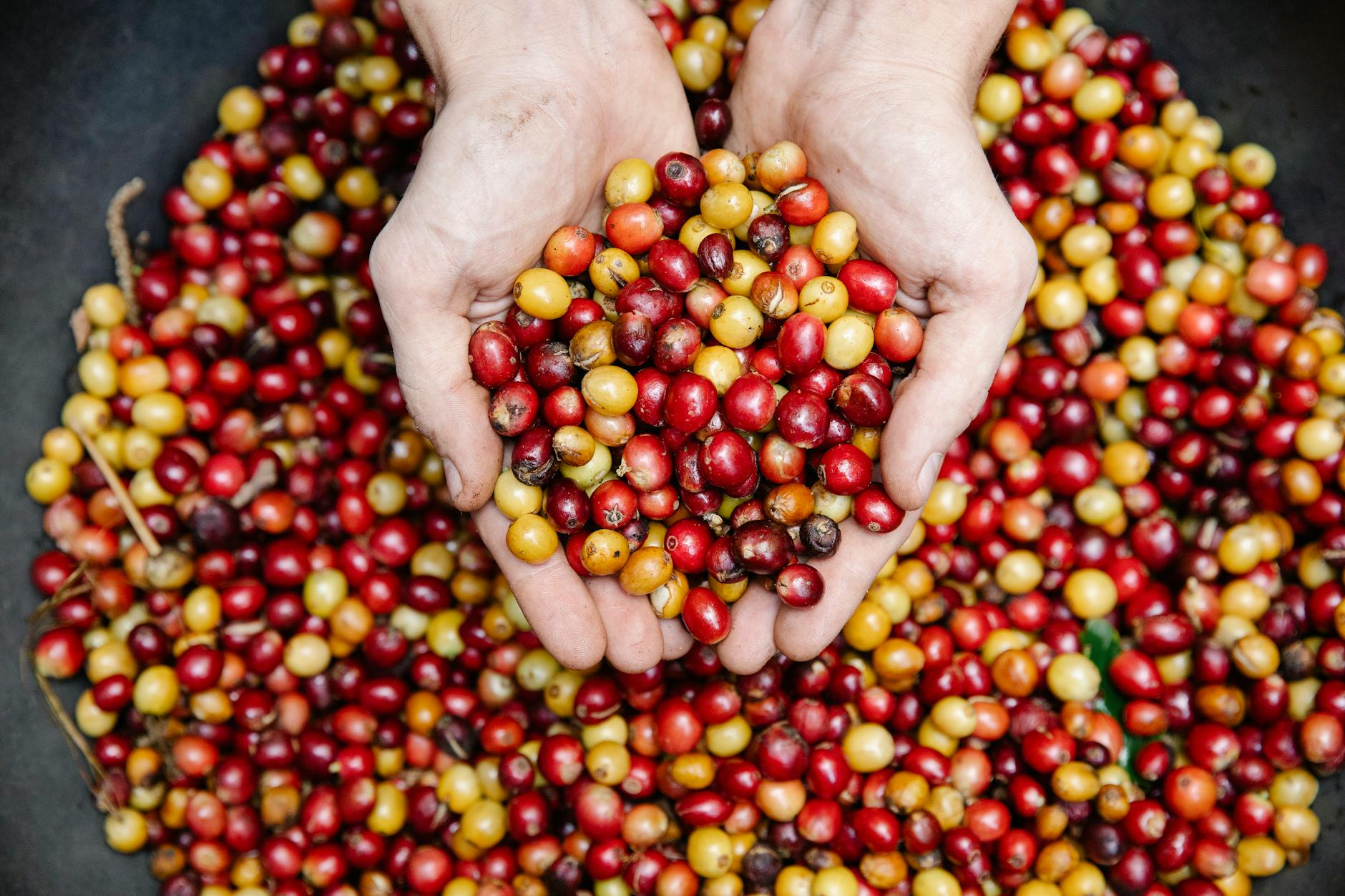

Coffee, the lifeblood of our tribe. But before that bitter-sweet nectar hits your lips, there’s a whole world of challenges faced by the farmers who cultivate it. This isn’t some romantic tale of idyllic farms; it’s a grind. A brutal, beautiful grind.
The Climate Change Apocalypse & Coffee
Climate change isn’t some distant threat; it’s a reality, and coffee farms are on the front lines. Rising temperatures, unpredictable rainfall, and increased pest infestations are taking their toll. Farmers are struggling to adapt, facing lower yields and increased costs. According to a report by the Intergovernmental Panel on Climate Change (IPCC), climate change is already impacting agricultural practices and crop yields across the globe. This is happening now, not in some far-off dystopian future.
Consider this: the Arabica bean, the king of coffee, thrives in specific climates. Shifting temperatures are forcing farmers to move their operations higher up mountains, where the terrain is steeper, and access to resources is more difficult. This isn’t just about losing a few farms; it’s about potentially losing entire coffee-growing regions. This is the truth, the raw reality that few are prepared to acknowledge.
And it gets worse. Extreme weather events, like droughts and floods, can wipe out entire harvests. Think of it like a market crash, except instead of stocks, it’s your morning caffeine fix that’s tanking. The impact isn’t just felt by the farmers. The repercussions ripple down the entire supply chain, affecting importers, roasters, and, ultimately, us.
The Market’s Merciless Grind
The global coffee market is a volatile beast, and it’s not always kind to the farmers who bear the brunt of its uncertainty. Prices fluctuate wildly, influenced by factors like global supply, demand, and speculative trading. Farmers often lack the market power to negotiate fair prices, leaving them vulnerable to exploitation. The irony isn’t lost on us: those who provide the product are often the least able to profit from it. Their livelihoods are directly tied to an erratic system.
A farmer’s income can swing dramatically from year to year. A bumper crop might lead to oversupply, driving prices down. A bad harvest due to climate change or disease can leave them with nothing. Even when the price is relatively stable, they must deal with the cost of fertilizers, pesticides, and labor. To survive, these farmers need to adopt resilient strategies, such as investing in organic practices and diversifying their income streams.
The market also adds a layer of complexity with trading. Commodity trading, even in something as essential as coffee, often prioritizes profit over people. The farmer is left at the bottom, bearing the weight of the market and the environment. This constant pressure creates a bleak picture for some coffee farmers around the world, making it a struggle just to survive, much less thrive. This information, and more, is available via the United States Department of Agriculture (USDA), which offers detailed analysis of the coffee market and farmer economics.
Labor Pains: The Human Cost
Behind every cup of coffee, there’s the story of the labor that went into cultivating, harvesting, and processing those beans. Coffee farming is labor-intensive work, and too often, the workers are underpaid and face difficult working conditions. Issues such as child labor, wage exploitation, and lack of access to healthcare are unfortunately common.
The Fair Trade movement has sought to address some of these issues by promoting fair wages and better working conditions. However, the movement only covers a fraction of the world’s coffee farms. Even with the best intentions, it’s a difficult task to oversee the vast and sprawling coffee industry. Many farmers and their laborers are still trapped in cycles of poverty, unable to improve their situation. This is a tragic consequence of market forces and insufficient regulation.
Think about that when you reach for your next mug. You are supporting a chain of events, some of them good, some of them not so good. And it all begins with the coffee farmer.
Rewards of the Grind: Sustainability, Innovation, and Community
Despite the challenges, there are farmers who are finding ways to thrive and are embracing innovation. Many are focused on sustainability, organic farming practices, and direct trade relationships with roasters. These practices often involve better management of natural resources, ensuring the long-term health of the land, while also allowing the farmer to keep a larger piece of the pie.
Some farmers are embracing technology, using precision agriculture techniques to monitor their crops and optimize yields. Others are diversifying their income streams, growing other crops, or adding value to their coffee through roasting and branding. These actions create a more resilient business and increase their profitability. Success is built on diversification and innovation.
Community also plays a huge part in the coffee farmer equation. Farmers are forming cooperatives, banding together to share resources, negotiate better prices, and support each other through hard times. In the face of adversity, they are finding strength in numbers.
The Bottom Line
The world of coffee farming is a microcosm of the challenges facing our global community. From climate change to market volatility, to labor issues, every challenge demands both action and awareness. So, next time you take a sip of coffee, take a moment to reflect on the journey it took to get there. Understand the farmers’ struggle and their triumphs. We can appreciate the coffee more, knowing the trials it had to overcome.
The solution? Support sustainable practices, buy from ethical sources, and consider the human cost of your daily ritual. As for us? We’ll keep brewing up the truth, one brutally honest blog post at a time. And if you need something to put that freshly brewed coffee in…well, let’s just say a good novelty wine mug can handle anything you want to throw in it, even a goddamn espresso.