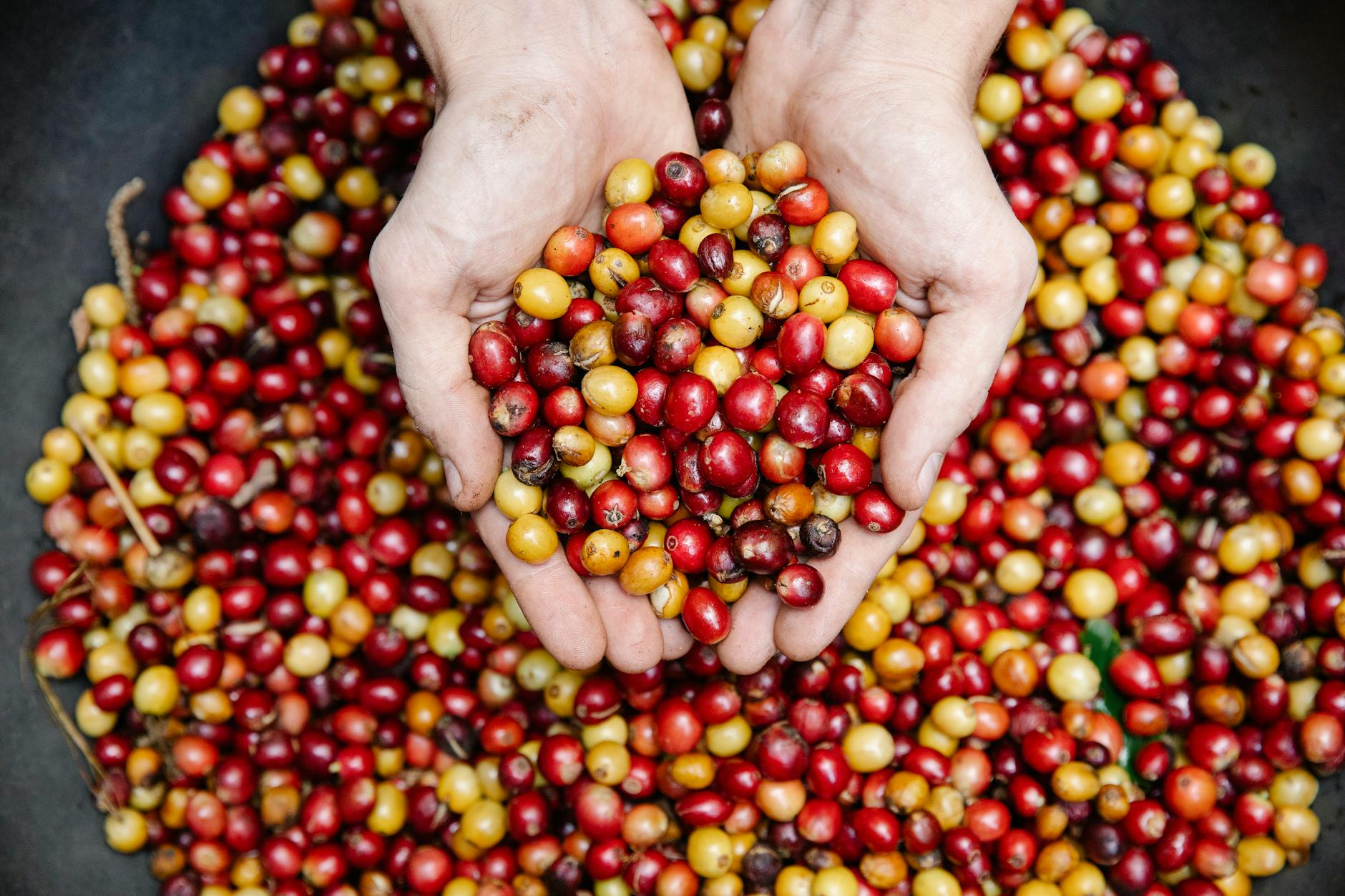

From the subtle dance of flavor profiles to the complex world of terroir, the quest for the perfect cup has always captivated me. But lately, I’ve been pondering something more profound than the brew itself: the impact our morning ritual has on the world. Beyond the satisfying aroma and taste, coffee cultivation is playing a critical role in sustainable development, affecting economics, the environment, and social well-being in the producing countries.
The Economic Awakening of Coffee
For decades, coffee-producing nations have often been at the mercy of global market fluctuations. But a shift is underway. Smallholder farmers are increasingly organizing into cooperatives, allowing them to negotiate better prices and gain more control over their livelihoods. This is a far cry from the old days when the biggest returns went to the middlemen. The rise of fair trade and direct trade models, where coffee is purchased directly from farmers, is particularly promising. These models ensure fairer wages and often support community development projects like education and healthcare. This is not some abstract concept; it is practical and tangible change.
Consider the impact of fair trade certification. According to a report by the Fairtrade Foundation, the certification contributes to enhanced economic stability for farmers, providing them with a safety net when market prices drop. This ensures a more resilient income stream. Farmers can invest in their farms, improve their farming practices, and even diversify their crops to mitigate risks. It is the type of careful planning that would make any old stockbroker proud, even if it does involve slightly less volatile commodities than I used to trade.
Economic empowerment extends beyond income. Education is another crucial pillar. When coffee farmers have access to knowledge and training, they can improve the quality of their coffee, increase their yields, and access better markets. This creates a virtuous cycle where increased income leads to further investment in the community. You could say it’s like compound interest, but with coffee beans. The more you put in, the more you get back. It is simple math, even if the nuance of the bean’s journey is not always so straightforward.
Environmental Stewardship: A Green Revolution
Sustainable coffee farming is not just about economic gains; it is about protecting the planet. Deforestation, water pollution, and soil erosion are major threats to the coffee industry, and indeed, to us all. Thankfully, many coffee farmers are adopting practices that conserve resources and protect the environment. Shade-grown coffee, for example, is a prime example of sustainable farming. Growing coffee under a canopy of trees provides habitat for wildlife, reduces the need for fertilizers and pesticides, and helps to sequester carbon dioxide. It is a win-win for both the environment and the farmer. Think of it as a hedge fund for biodiversity.
The practice of integrated pest management (IPM) is another cornerstone of sustainable coffee cultivation. IPM involves using natural methods to control pests and diseases, such as introducing beneficial insects or using organic fertilizers. This reduces the reliance on harmful chemicals and protects the health of the farmers and the surrounding ecosystem. This is a significant shift. The adoption of IPM reduces the amount of land that needs to be cleared for growing, thus lowering its impact on deforestation. Some studies estimate the total area under this style of production is around 40% of the world’s coffee, which continues to rise.
Water conservation is also paramount. Coffee production requires a significant amount of water, and many coffee farmers are implementing water-efficient irrigation systems and recycling water in their processing plants. This not only conserves a precious resource but also reduces the risk of water pollution. This attention to detail reminds me of the lengths I go to just to get the water temperature right when I brew. The parallels are surprising.
The Social Fabric: Empowering Communities
Sustainable coffee farming also prioritizes social well-being. This includes fair labor practices, safe working conditions, and the empowerment of women and marginalized communities. Many coffee cooperatives and organizations are working to provide access to healthcare, education, and financial services to coffee farming communities. They know that a healthy, educated, and financially secure workforce is essential for long-term sustainability. This is not just a moral imperative; it is good business.
One notable success story is the involvement of women in coffee production. In many coffee-producing countries, women play a crucial role in the cultivation and processing of coffee, yet they often lack access to resources and decision-making power. Organizations are working to empower women by providing them with training, access to credit, and opportunities to participate in leadership roles. This results in the farmers having more economic independence. According to the United Nations, “Gender equality is not only a fundamental human right, but a necessary foundation for a peaceful, prosperous and sustainable world.” You see, even the UN is on board with the importance of the female workforce. When the farmers thrive, the communities and the coffee itself benefit, too.
Additionally, the adoption of sustainable farming practices can lead to increased yields and higher-quality coffee. This translates to increased income for farmers and better living standards for their families. It is a virtuous cycle: improved social well-being leads to greater economic prosperity, which in turn leads to even greater improvements in social well-being. It is the sort of self-perpetuating system that I used to look for in the market, now it seems to be in my coffee cup, and in the hands that produce it.
The Road Ahead: Challenges and Opportunities
While the progress in sustainable coffee farming is encouraging, there are still significant challenges ahead. Climate change poses a major threat to coffee production, with rising temperatures and changing rainfall patterns impacting coffee yields and quality. Market volatility and unfair trade practices continue to be major hurdles for many coffee farmers. It requires constant dedication, and a willingness to improve.
However, these challenges also present opportunities for innovation and collaboration. Investment in climate-resilient coffee varieties, improved farming practices, and fair trade initiatives is crucial. Consumers also have a critical role to play by supporting sustainable coffee brands and demanding transparency in the coffee supply chain. I’m doing my part, sipping on my hand-roasted brew, and thinking about the future. It is a heavy burden to bear, but I’m prepared. Because, frankly, the best cup of coffee has always been a reflection of something greater than itself.
Of course, all this talk about sustainable development has me thinking about my own daily ritual. And you know what helps me focus in the morning, beyond the meticulously brewed coffee? My silly mugs! Yeah, I’m talking about the first coffee, then all the other things—like how can I help the farmers who help the world? It really grounds me.